In the mid-20th century, we find the Jesuits at the Dolores School in Santiago de Cuba. Also in Camagüey, Cienfuegos, Sagua la Grande, and Havana. In Central Havana, the Church of the Sacred Heart of Jesus and Saint Ignatius of Loyola (Reina Church) was built, the Belén School moved to new facilities, near the stairs of the University of Havana was the headquarters of the Catholic University Association (ACU), and on the outskirts of Havana, on the heights of El Calvario, was the Novitiate of the Jesuits for the Antilles.
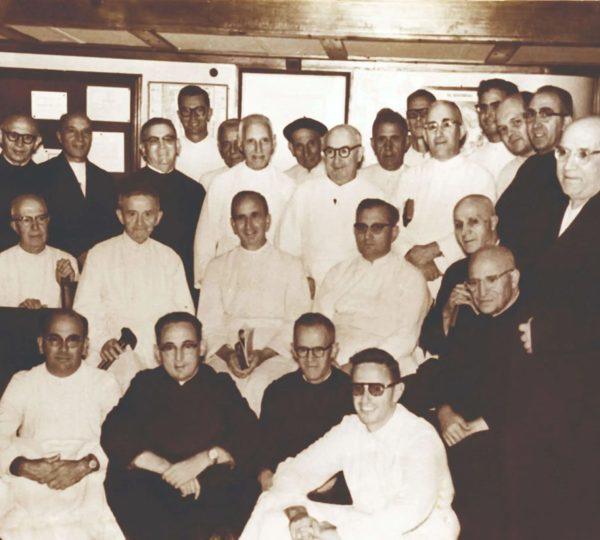
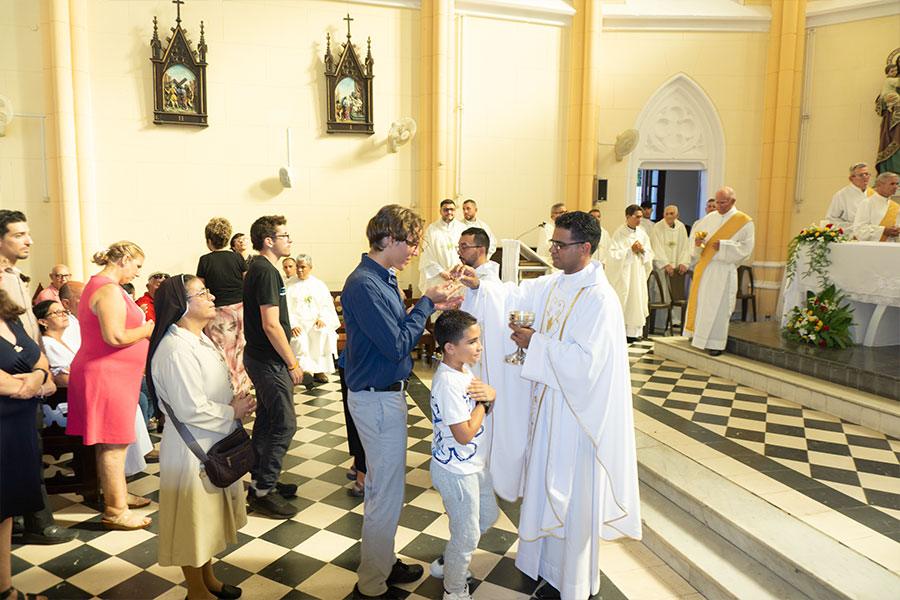
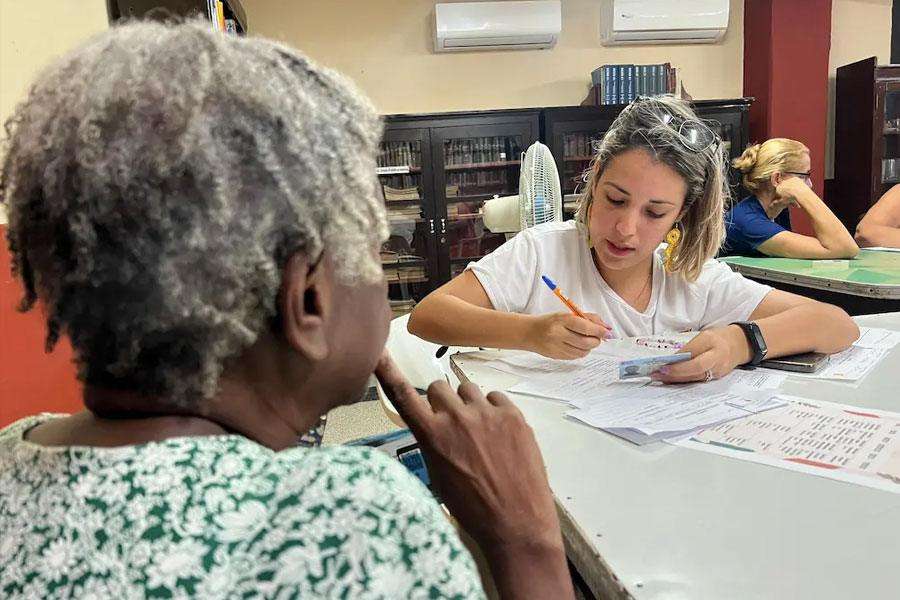
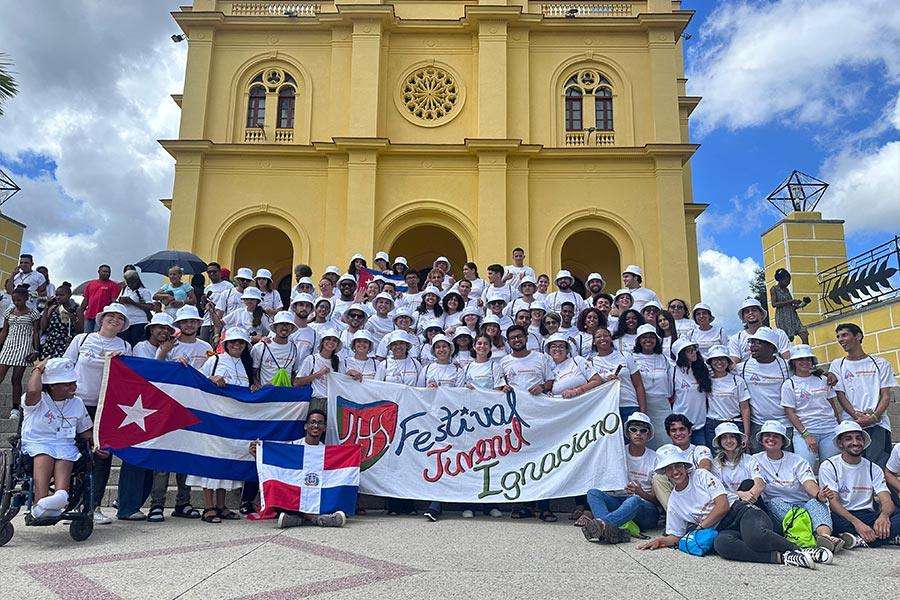
After the Cuban Revolution in 1959, the Jesuits had to reorganize their entire apostolate. Educational centers were confiscated, Colegio Belén became a Military Academy, ACU became part of the University, and the novitiate became the Army General Staff. Of the more than 120 Jesuit priests, only 31 remained, but their presence continued. Today, they serve the Church and the Cuban people throughout the island through parishes and the Loyola Centers network. Additionally, the Jesuits support the Catholic Sunday leaflet Vida Cristiana, the only publication that reaches the entire country. In parallel, they collaborate at the Major Seminary, are present in several retreat houses, and accompany Ignatian Youth Ministry.