By the IPL Communications Office
The school year concludes with a Eucharist that brought together 107 families and 188 students benefiting from an educational model that transforms lives and shapes the future of the southern region.
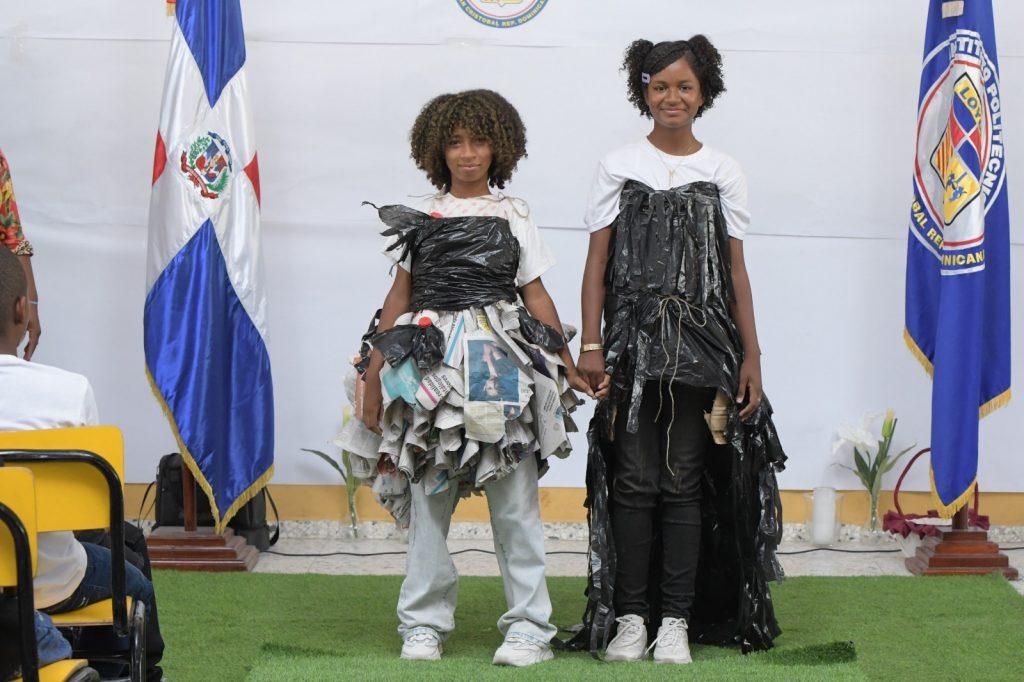
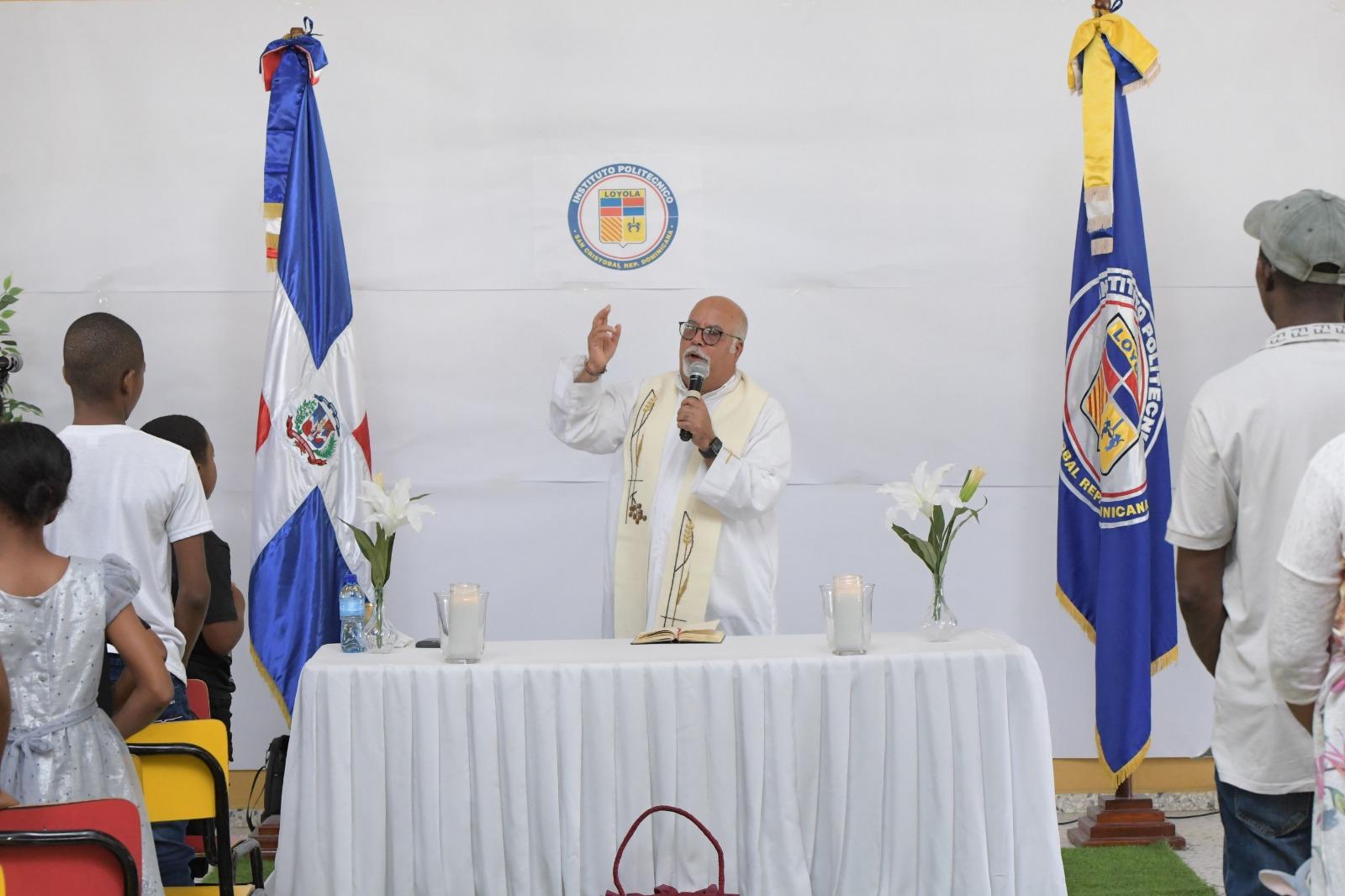
Monte Grande, Azua, Dominican Republic. La Ciudad Loyola Monte Grande celebrated the closing Eucharist of the 2025-2026 school year this Friday, June 19th. It was an emotional gathering that brought together students, families, teachers, staff, and authorities from the Carlos Vargas School of the Instituto Politécnico Loyola (IPL). In just two years of support, this educational project has become a concrete hope for human, social, and productive development in the area.
The ceremony was led by the rector of the Loyola Polytechnic Institute, Rev. José Victoriano, S.J., who highlighted the progress achieved by this initiative, driven by the Ignatian educational philosophy. He also expressed gratitude for the trust placed by families in a project that aims to become the educational center that drives the technological future of the south.
“Two years ago, we embarked on this journey full of optimism and love. Today, we see how education is beginning to transform lives and sow hope in a community that deserves opportunities to build its own development,” the rector expressed during the celebration.
The event gathered representatives of allied institutions, donors, and collaborators who have contributed to strengthening the educational project since its arrival in Monte Grande, participating in the collective commitment to quality education focused on the holistic development of children and young people.
As part of the event, the rector presented special recognitions to the president of AFP Reservas, Henry Fuentes Izquierdo, as well as to Annerys Rodríguez and Wendy Mancebo; to the ITEPROF team, represented by its general manager Miguel Ángel Collado Guzmán; and to the Cincinnatus Foundation, represented by Chris Corcino, for their sustained contributions to the educational process led by the Society of Jesus at the Carlos Vargas school in Monte Grande.
The transformation is already impacting families
The educational model of the Politécnico Loyola Institute currently directly benefits 107 families and 188 students, who receive academic training aimed at strengthening their capabilities and expanding their development opportunities.
Beyond the classrooms, the presence of Ciudad Loyola Monte Grande is beginning to generate visible changes in the social and productive environment of the community. During the homily, the Jesuit priest highlighted the signs of recovery and hope that are starting to be perceived in the area.
“Taking a walk on the way to the shade house and observing how the land is being cultivated again with healthy banana plantations is a cause for joy and jubilation. It is a demonstration that in Monte Grande there is life and there is a future,” he stated.
Nevertheless, project authorities acknowledge that the community continues to face significant challenges related to employment, income generation, and the sustainability of the livelihoods of families resettled after the construction of the Monte Grande dam.
In that context, education becomes a strategic tool for opening new opportunities. The training students receive aims to prepare them to access better jobs, drive productive initiatives, and become active agents of transformation within their communities.
Training for the future
The vision of Ciudad Loyola Monte Grande contemplates the progressive development of an academic offering oriented towards target sectors for regional growth, including areas related to agriculture, agribusiness, electricity, manufacturing, environmental management, applied technologies, and other fields associated with innovation and sustainability.
The authorities at the Loyola Polytechnic Institute believe that strengthening these areas will allow them to respond to the real needs of the territory and contribute to the construction of a dynamic, inclusive, and resilient economy for future generations.
Likewise, they highlighted that the educational project transcends technical and academic training, by promoting values, community leadership, and social commitment as fundamental pillars for the integral development of the region.
A vision that goes beyond education
During the activity, a call was also made to local and national authorities to strengthen inter-institutional coordination and move forward with concrete solutions to the challenges still faced by the families of the resettled community.
As explained, many of these challenges can be addressed through good coordination of public services, social programs, and productive projects that allow residents themselves to become protagonists of their own development.
Moving in that direction would significantly contribute to dignifying the living conditions of families relocated from a historically fertile territory to an environment that, despite the progress made, continues to face significant challenges for their full economic and social integration.